

What Makes Our AED Smart?

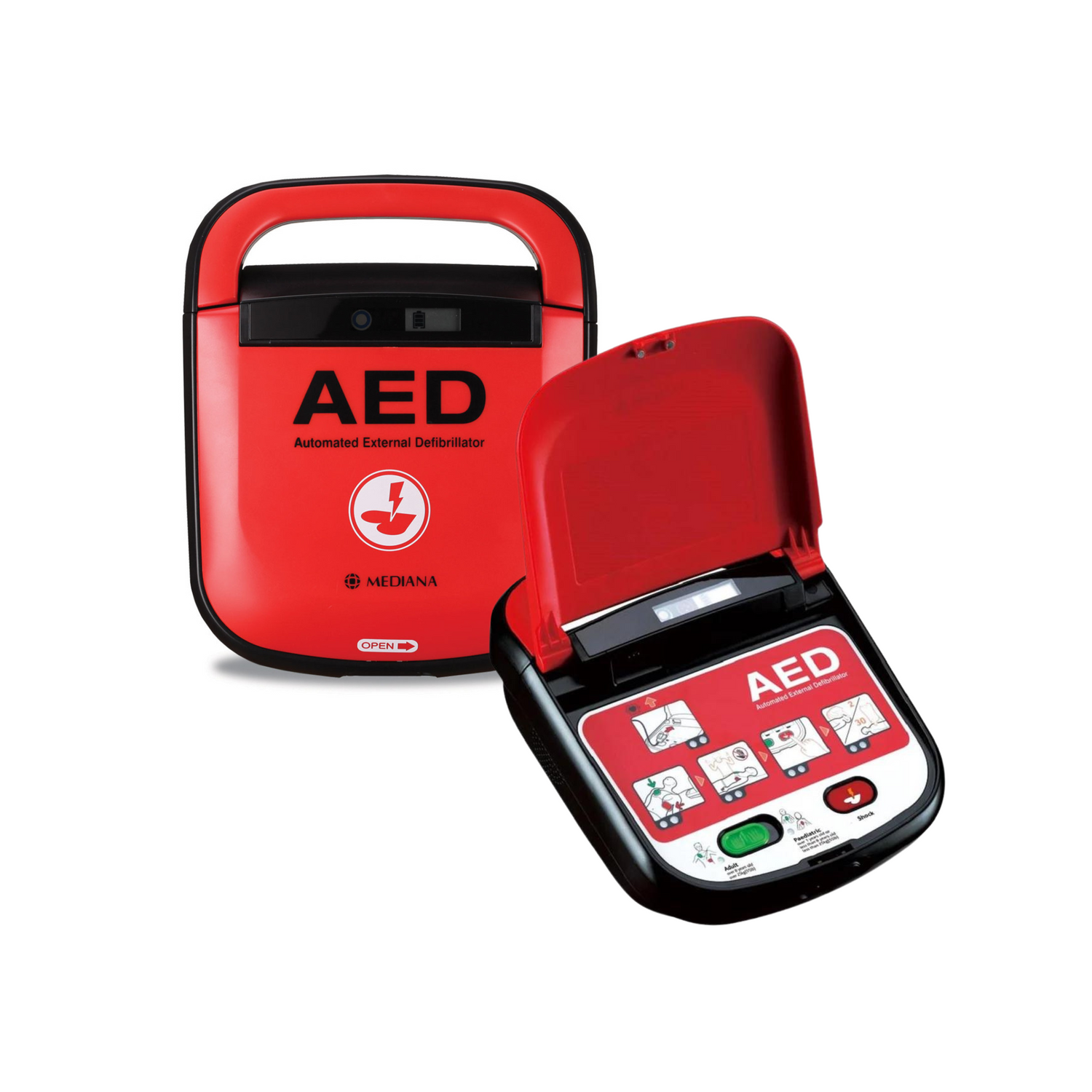
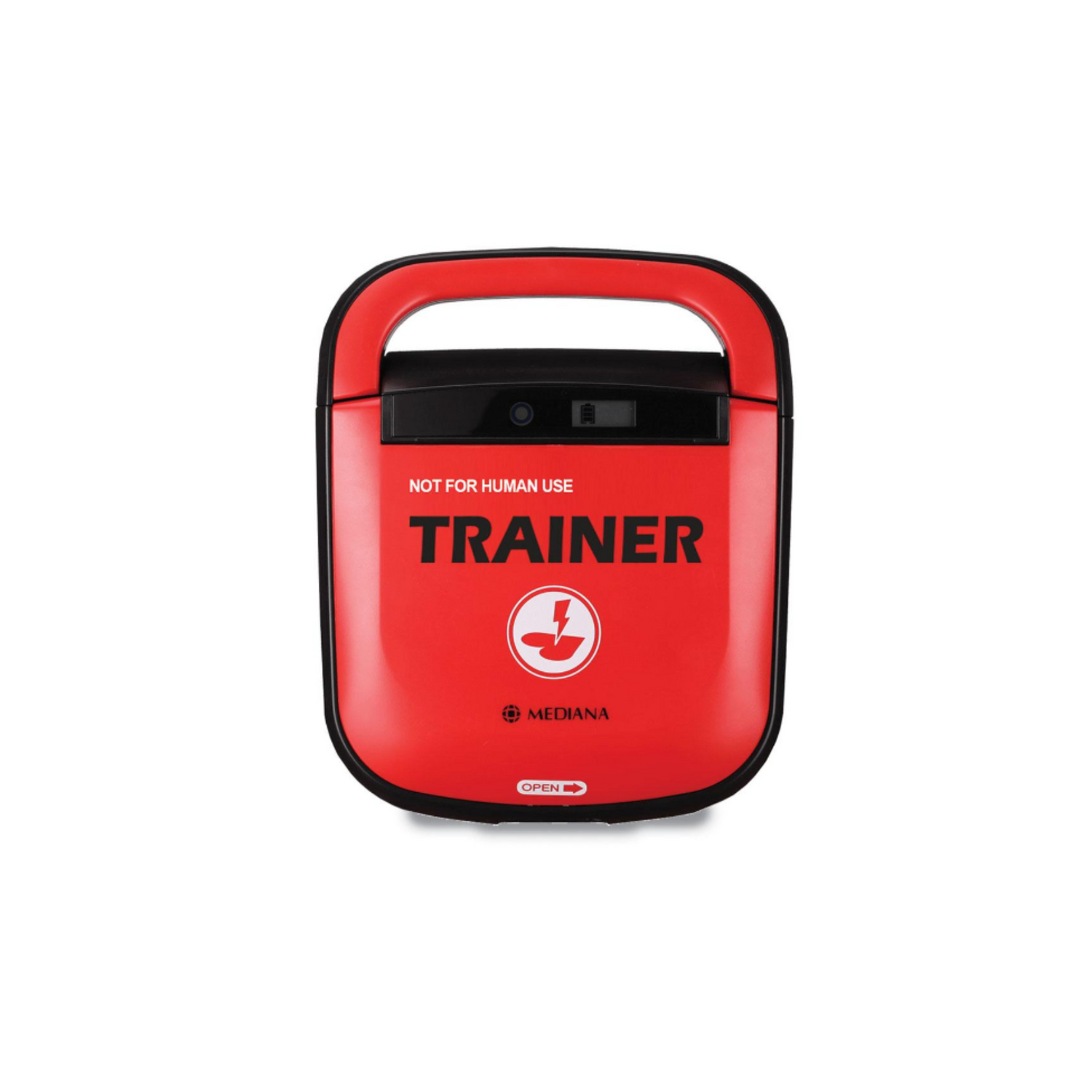
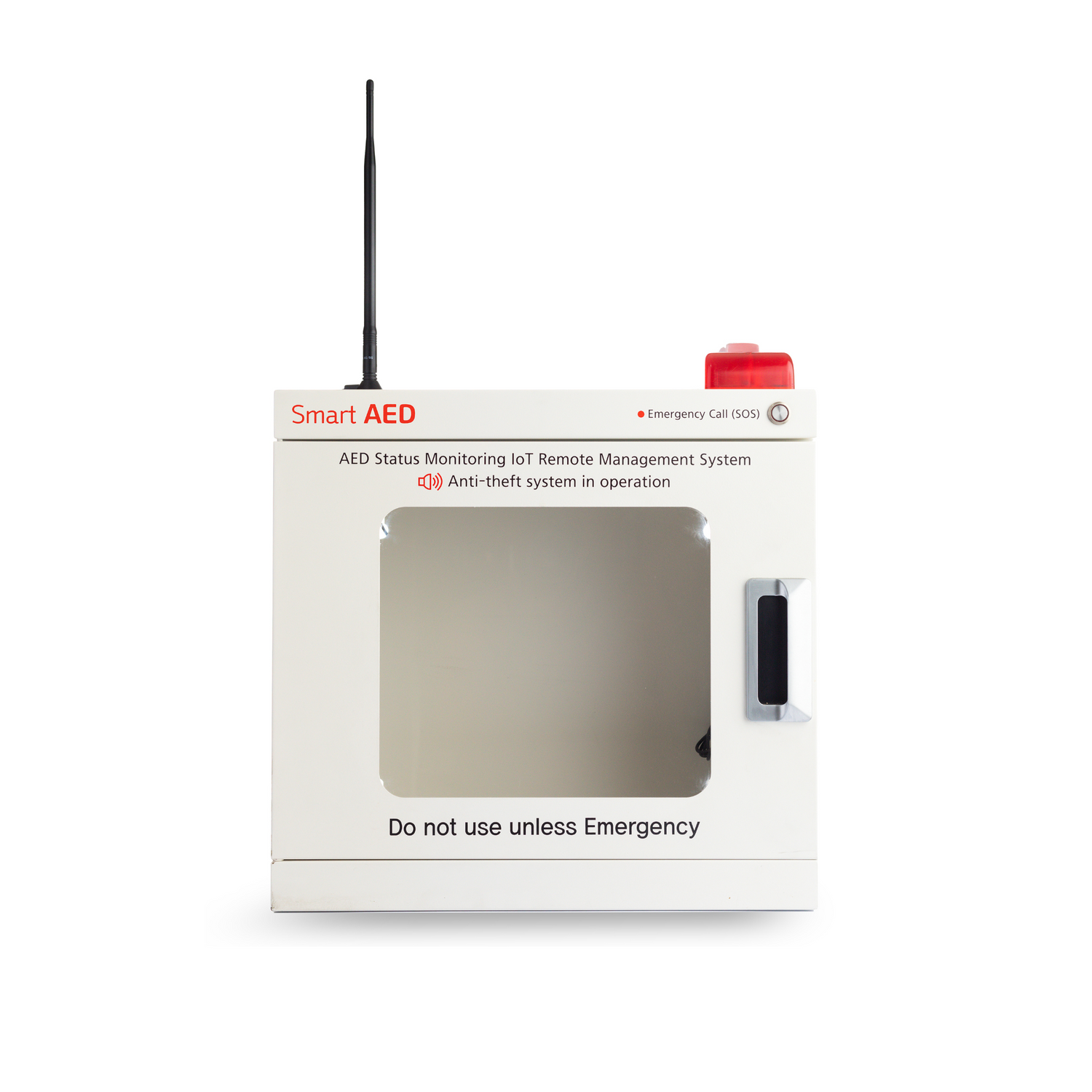
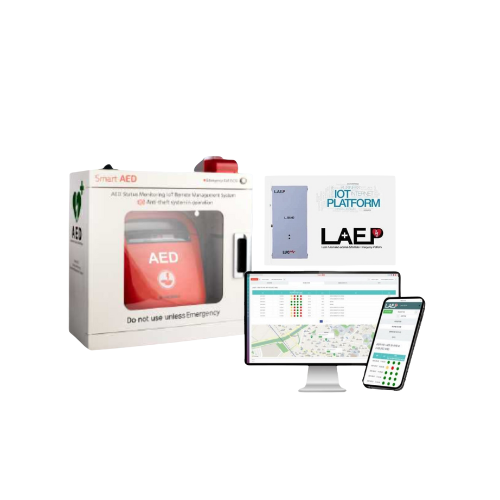
Smart AED is an IoT-enabled monitoring device and integrated platform designed to optimize automated external defibrillator (AED) management and enhance response efficiency during cardiac emergencies.
Featuring real-time monitoring, daily self-diagnostics, and instant alerts, Smart AED ensures that every device remains fully operational, compliant, and ready for immediate use — supporting safer workplaces, public spaces, and smart cities across the Philippines.
PRODUCTS
-

SmartMann CPR Manikin
Innovative Solutions for CPR Training Conform to AHA & ERC guidelines. Equipped...

FREQUENTLY ASKED QUESTIONS ABOUT AED
Do you need training to use an AED?
No. Anyone with or without a medical background can learn to use an AED or apply the pads correctly and administer a shock by following the prompts provided by the AED. It is developed to enable non-medical personnel to administer life-saving electrical shocks to the heart of a person experiencing a heart attack or cardiac arrest.
It is also important to have at least the basic knowledge of CPR during an emergency.
Do AEDs mean CPR is no longer needed?
Absolutely not. AED and CPR go together to correctly resuscitate someone having a cardiac arrest. An AED can restore a normal heart rhythm in certain cases while chest compressions in CPR are used to help keep blood flowing through the heart and the body. CPR should be started while someone else gets the AED.
Is an AED useful for all types of cardiac arrest?
No. Abnormal rhythms like a very slow heart rate or no electrical rhythm at all, cannot be treated with an AED. The device determines whether the patient's heart needs to be shocked or not once the AED is connected to the chest and would then be instructed the next steps.
Can an AED be used on a child?
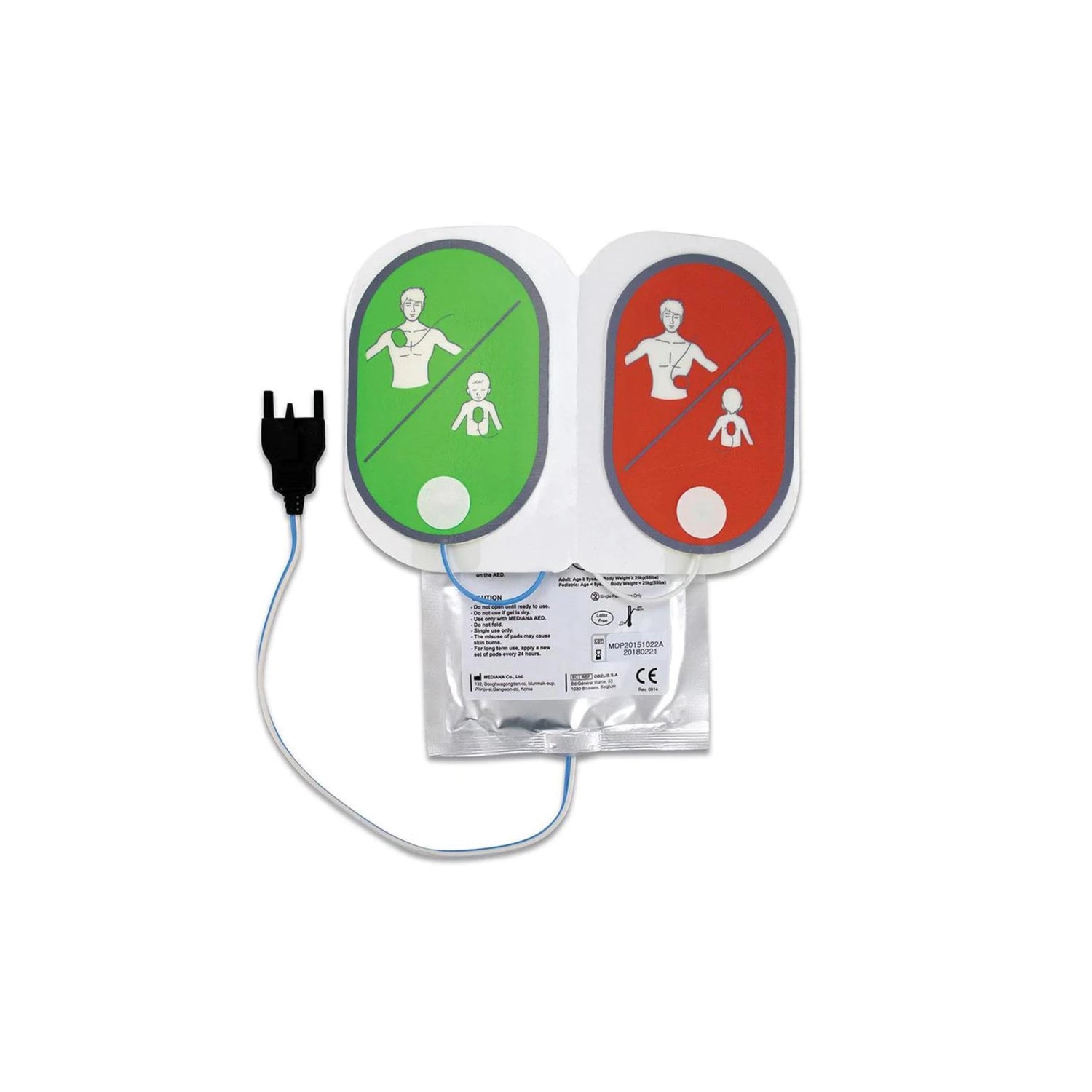
Yes. An AED is designed to introduce a lower dose shock when it is utilized on a child or infant. Some AEDs have separate pediatric pads, while others may adjust using a key. Newer AEDs features a toggle switch, which lowers the joule output to be appropriate for a child/infant.
Are AEDs really needed in places other than hospitals?
Yes. The rate of sudden cardiac death can be reduced by placing AEDs in the community and by teaching people how to use them. Seconds and minutes count when cardiac arrest occurs and the likelihood of survival decreases for every minute that goes by without this type of help.
Will an AED save everyone?
No, but an AED increases the rate of sudden cardiac arrest survival from around 5% to over 50%. An AED will not treat a non-shockable heart rhythm. However, defibrillation is the only treatment for sudden cardiac arrest. Early treatment is key. After ten minutes without defibrillation or CPR, the victim’s chances for survival diminish significantly.
Do I need AED at home?
Heart attacks and cardiac arrest can happen anywhere, including in the comfort of our homes. For people at high risk of cardiac arrest, having an AED at home can provide peace of mind and might help save their lives.
Do AEDs need to be plugged into an outlet in order to work?
No, all AEDs are powered by a battery and do not require being near an outlet which enables any responder to use it anywhere.
Quotation Inquiry
AED-Ready Communities
Our partners committed to building Smart AED-ready communities, ensuring faster emergency response and greater protection for employees, visitors, and the public.
